A high-risk pregnancy requires special monitoring and care to ensure the health and well-being of both the mother and baby. Certain conditions or complications can increase risks during pregnancy, making it essential for women to understand the factors involved and seek appropriate medical attention.
Understanding high-risk pregnancies, their causes, symptoms and management options can help women make informed decisions about their prenatal care.
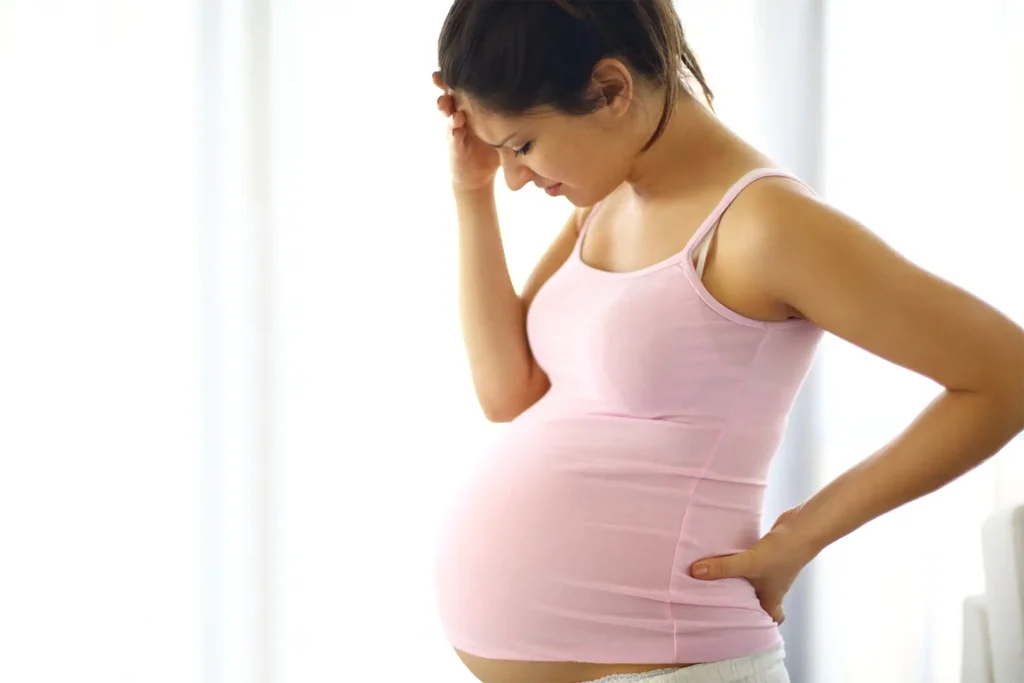
High-Risk Pregnancy
A high-risk pregnancy requires special monitoring and care to ensure the health and well-being of both the mother and baby. Certain conditions or complications can increase risks during pregnancy, making it essential for women to understand the factors involved and seek appropriate medical attention.
Understanding high-risk pregnancies, their causes, symptoms and management options can help women make informed decisions about their prenatal care.
A high-risk pregnancy is one in which the mother, baby, or both face an increased chance of health complications before, during, or after delivery. While many women with high-risk pregnancies go on to have healthy babies, additional medical care and monitoring are often necessary to ensure the best possible outcome.
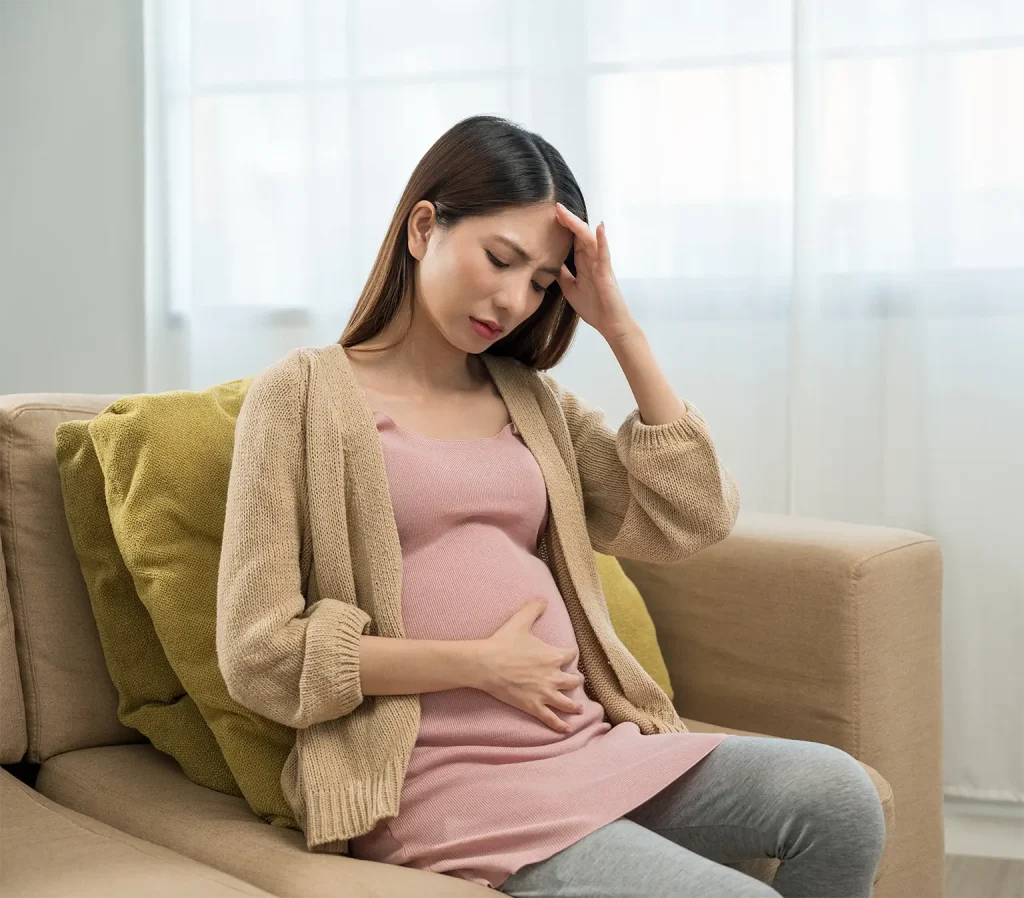
High-risk pregnancies can be caused by various factors, including maternal health conditions, pregnancy-related complications and external factors:
While many women with high-risk pregnancies experience no severe issues, some symptoms may indicate complications that require immediate medical attention:
Women experiencing any of these symptoms should seek medical care promptly.
Regular prenatal check-ups and screenings help doctors assess whether a pregnancy is high-risk. Diagnostic methods include:
To check for infections, diabetes and other conditions that could affect pregnancy.
Provides detailed images of the baby’s growth, development and position.
Assesses the baby’s heart rate and movements to detect potential distress.
Tests for conditions like Down syndrome and other chromosomal abnormalities.
A procedure where a small amount of amniotic fluid is tested for genetic conditions and infections.
Accurate diagnosis and continuous monitoring can help ensure the best possible outcomes for mother and baby.
Managing a high-risk pregnancy involves close medical supervision and may require specialized treatments depending on the condition.
Women with high-risk pregnancies should maintain regular prenatal appointments and seek immediate medical care if they experience:
Early intervention and proper medical care can greatly improve pregnancy outcomes.
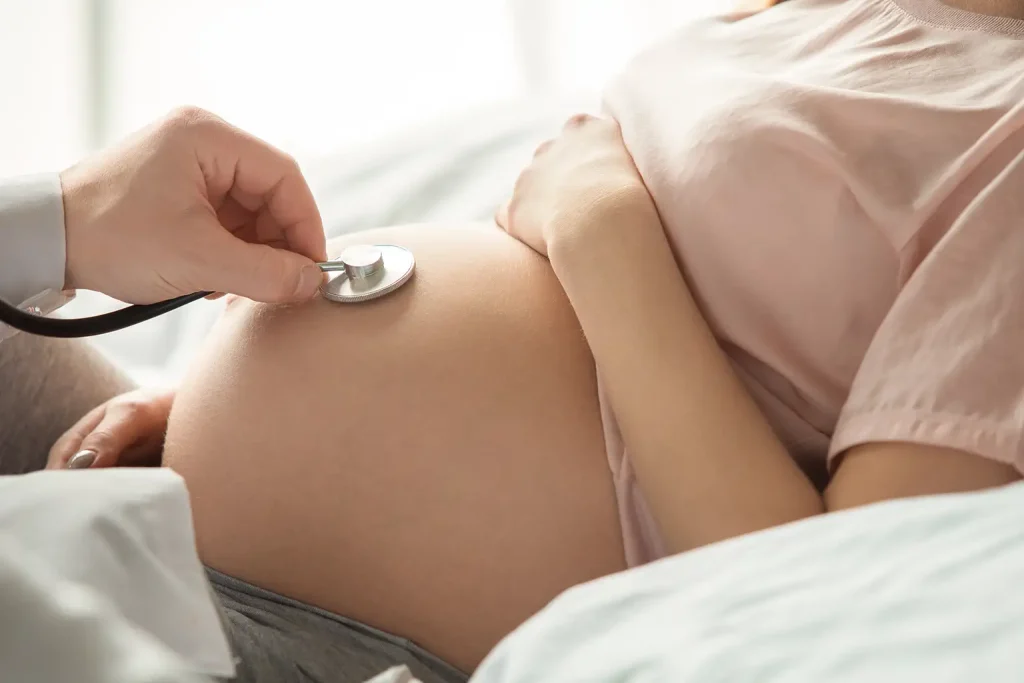
At Pacific Healthcare Specialist Centre, we provide comprehensive care for women with high-risk pregnancies. Our experienced and caring team provides specialized support to guide women through their pregnancies for a safe and successful experience.
If you have concerns about your pregnancy or have been diagnosed with a high-risk condition, book an appointment with our female obstetrician today for guidance and care.

MEET OUR DOCTOR
Consultant Obstetrician & Gynaecologist
MBBS (Singapore), MRCOG (UK), FAMS (Singapore)
FRCOG (UK), LLB (UK), MBA (UK)
Dr. Nurhidayati provides specialised care for high-risk pregnancies, offering close monitoring and personalised management to ensure the safest possible outcomes for both mother and baby. She manages a wide range of complex obstetric conditions, including gestational diabetes, hypertension in pregnancy, advanced maternal age, multiple pregnancies, previous caesarean sections, and other medical complications.
With extensive specialist training at the National University Hospital, she adopts an evidence-based and multidisciplinary approach when required, ensuring comprehensive maternal and fetal care throughout pregnancy.
Dr. Nurhidayati is committed to guiding mothers through high-risk pregnancies with clear communication, careful planning, and compassionate support at every stage.
Dr Nurhidayati co-founded the Muslim Healthcare Professionals Association in Singapore in 2004. Besides being the Vice President of the Muslim Healthcare Professionals Association in
Singapore, Dr. Nurhidayati is currently a board member for CaringSG and Casa Raudha. She has also been appointed in 2022, a member of the Islamic Religious Council of Singapore (MUIS) 19th Council and SGCares Steering Committee.

Yes, with proper medical care and monitoring, many women with high-risk pregnancies go on to have healthy babies.
Not always. While some high-risk pregnancies require a cesarean section, many women can still have a vaginal birth under medical supervision.
Yes, adopting a healthy lifestyle, attending regular prenatal visits and managing any pre-existing health conditions can lower risks.
Yes, uncontrolled hypertension can lead to serious complications such as preeclampsia and premature birth.
Seek immediate medical attention if you have contractions, water breaking or signs of labor before 37 weeks.

Copyright © 2026 Pacific Healthcare Specialist Centre (Women's Clinic)