
Prenatal screening and care are crucial aspects of a healthy pregnancy. Regular screenings and proper medical care help monitor the health of both the mother and the baby, ensuring potential complications are identified early. By taking the right steps, mothers can get support for a safe and positive pregnancy experience leading to a healthy birth.
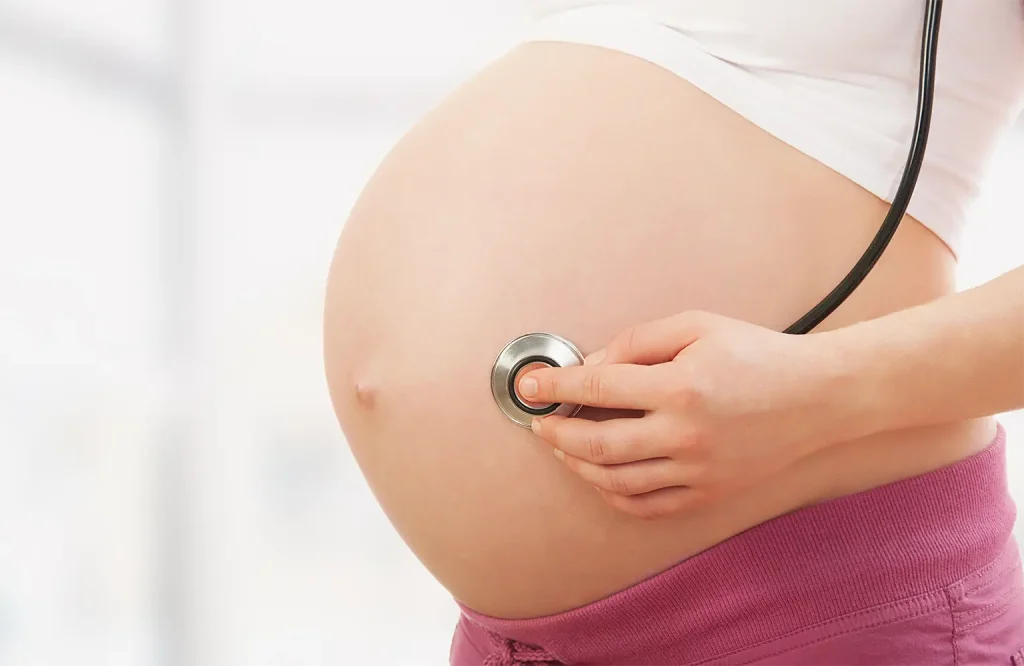
Prenatal Screening and Care
Prenatal screening and care are crucial aspects of a healthy pregnancy. Regular screenings and proper medical care help monitor the health of both the mother and the baby, ensuring potential complications are identified early. By taking the right steps, mothers can get support for a safe and positive pregnancy experience leading to a healthy birth.
Prenatal screening refers to a series of tests and evaluations conducted during pregnancy to assess the health of the developing fetus and the mother. These screenings help detect potential health conditions, birth defects or genetic disorders early on, allowing for timely interventions and informed decision-making. Prenatal care involves regular check-ups, screenings and lifestyle guidance to support the health of both mother and baby throughout the pregnancy.

Prenatal screening and care play an essential role in ensuring the well-being of both the mother and the baby. Regular screenings can:
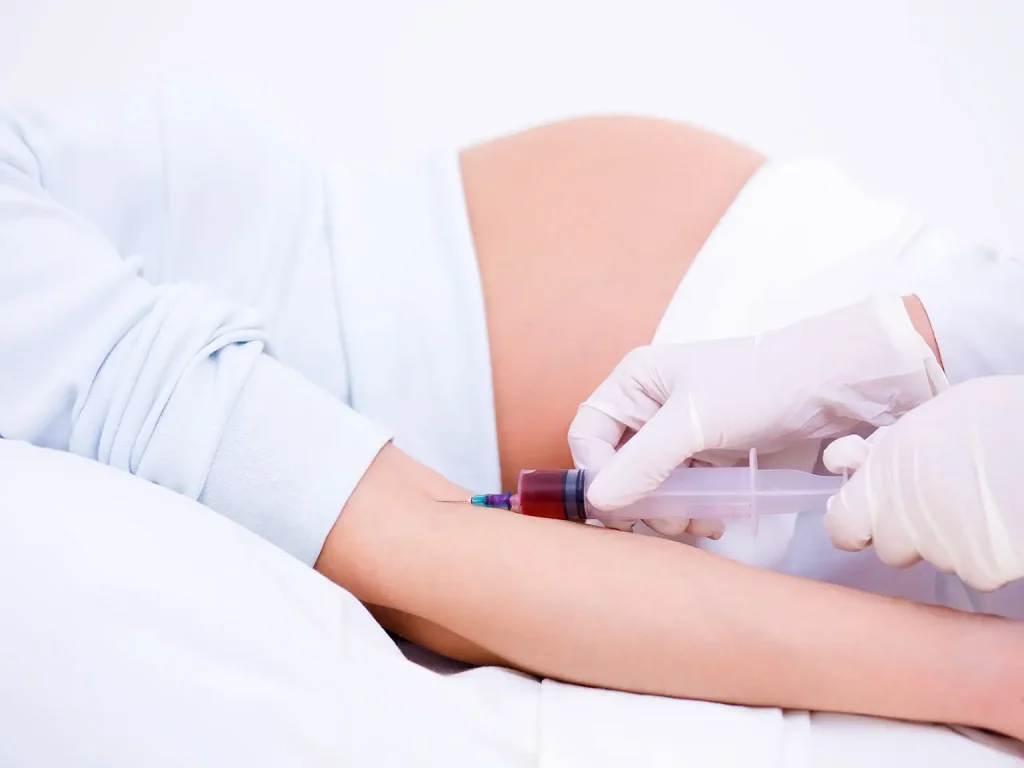
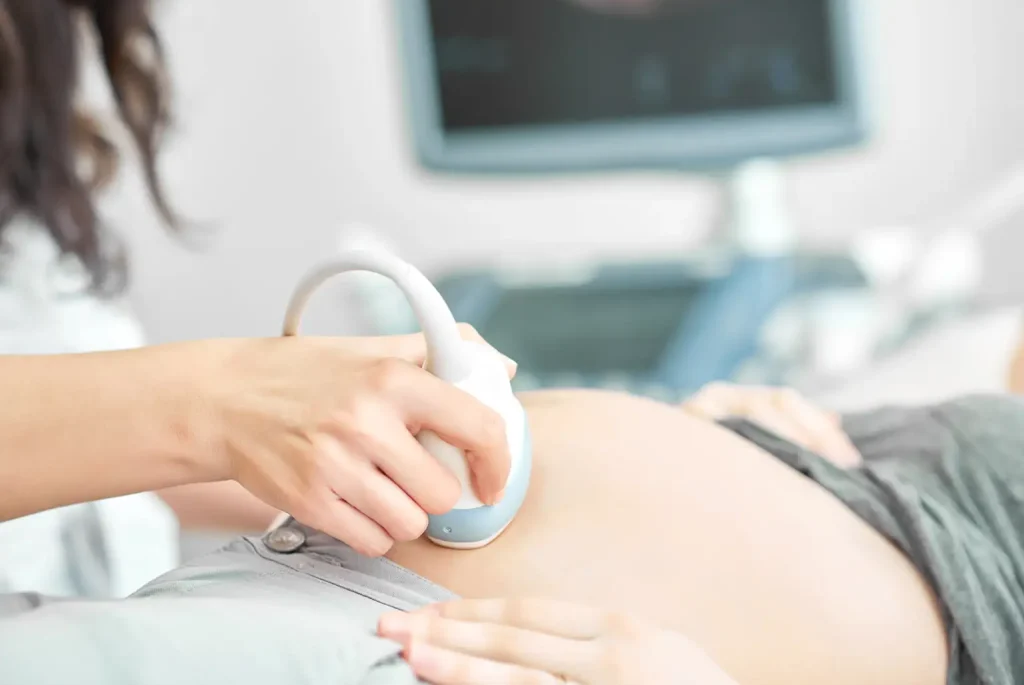
There are several types of prenatal screenings that expectant mothers may undergo during pregnancy. Some common tests include:
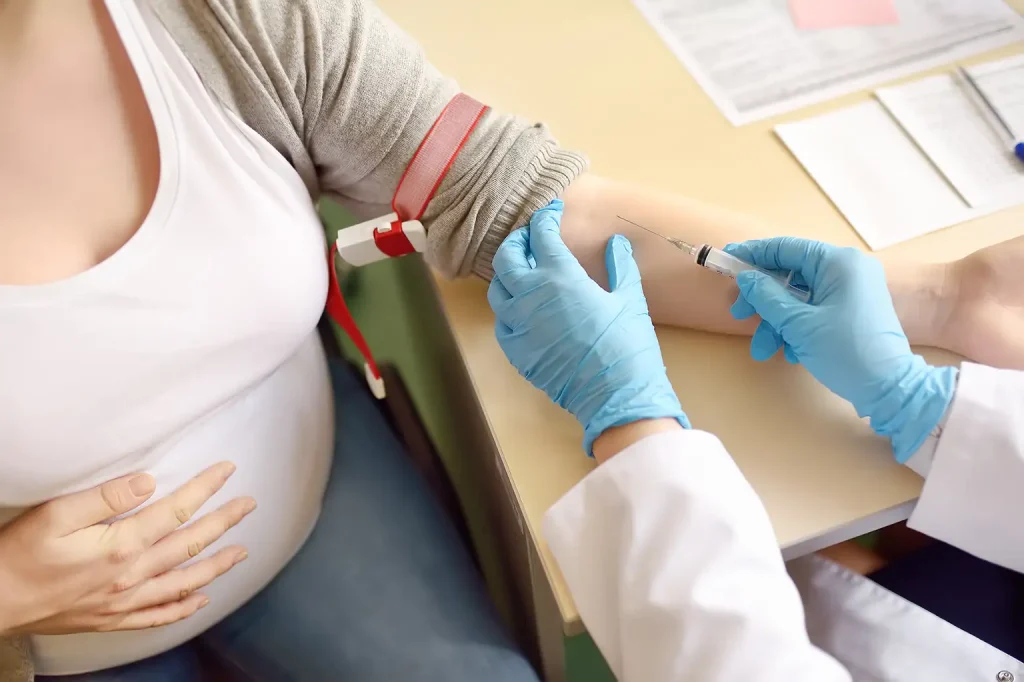

Prenatal care is a continuous process that involves regular check-ups with a healthcare provider throughout pregnancy. Key aspects of prenatal care include:
Routine visits allow doctors to monitor the health of both the mother and baby, provide screenings and address any concerns.
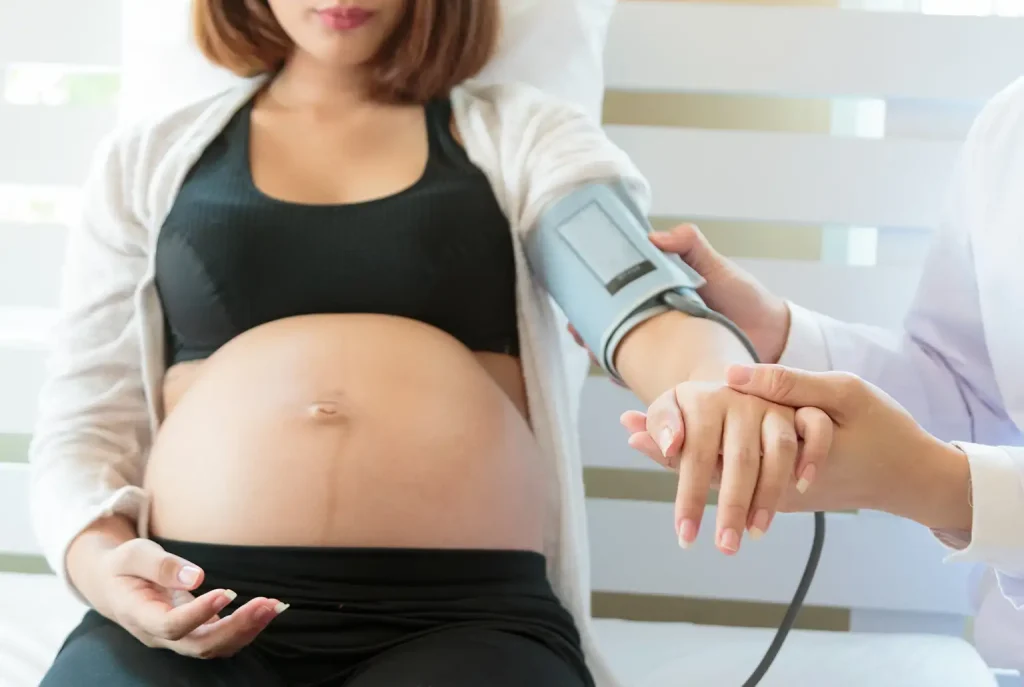
Regular monitoring of blood pressure helps detect any issues such as high blood pressure or preeclampsia.
Taking prenatal vitamins as advised by your healthcare provider, especially folic acid is essential for the healthy development of the baby’s brain and spine.
Eating a balanced diet with the right nutrients helps both the mother and baby grow and stay healthy. Proper hydration is also critical.
Safe physical activity can help reduce stress, improve mood and keep the body healthy throughout pregnancy.
Prenatal care also involves providing emotional support, offering advice on childbirth and preparing parents for what to expect during labor and delivery.
Certain signs and symptoms during pregnancy require immediate medical attention. Women should consult a doctor if they experience:
Prompt medical intervention can prevent potential complications and ensure the health of both the mother and baby.

At Pacific Healthcare Specialist Centre, we offer comprehensive prenatal screening and care services to support a healthy pregnancy journey. Our experienced female obstetrician supports personalized care and guidance, conducting necessary screenings and assisting you throughout the process.
Prenatal care services are available at our clinic, including routine screenings and consultations with an obstetrician. From initial screenings to ongoing care and delivery planning, we are committed to your well-being.
Book an appointment today to begin your prenatal care and support a healthy pregnancy journey for you and your baby.
It is recommended to begin prenatal care as soon as you find out you are pregnant. Early visits help ensure that both you and your baby are healthy and that any potential issues are identified early.
Without regular prenatal care, certain conditions, such as preeclampsia, gestational diabetes and fetal growth problems, may go undiagnosed, potentially leading to complications for both mother and baby.
While prenatal screenings are optional, they are highly recommended as they can provide important information about the baby’s health, helping to manage risks and plan for any necessary interventions.
Maintaining a balanced diet, staying active with approved exercises, getting adequate rest and reducing stress are all great ways to support a healthy pregnancy. Always consult with your healthcare provider before making changes to your routine.
Yes, good prenatal care can help ensure that any complications are addressed early, which may improve the outcome of labor and delivery, leading to a healthier experience for both mother and baby.

Copyright © 2026 Pacific Healthcare Specialist Centre (Women's Clinic)