
Fibroid Specialist In Singapore For Comprehensive Treatment And Surgery
Fibroids are a common concern among women, particularly those in their reproductive years. They are benign tumours that grow in the uterus, often leading to various symptoms that may impact a woman's quality of life.
Understanding fibroids, their symptoms, treatment options, and when to seek medical attention can empower women to take control of their health.

Fibroid Specialist in Singapore for Comprehensive Treatment and Surgery at Pacific Women's Clinic
Fibroids are a common concern among women, particularly those in their reproductive years. They are benign tumours that grow in the uterus, often leading to various symptoms that may impact a woman's quality of life.
Understanding fibroids, their symptoms, treatment options, and when to seek medical attention can empower women to take control of their health.
What are Fibroids?
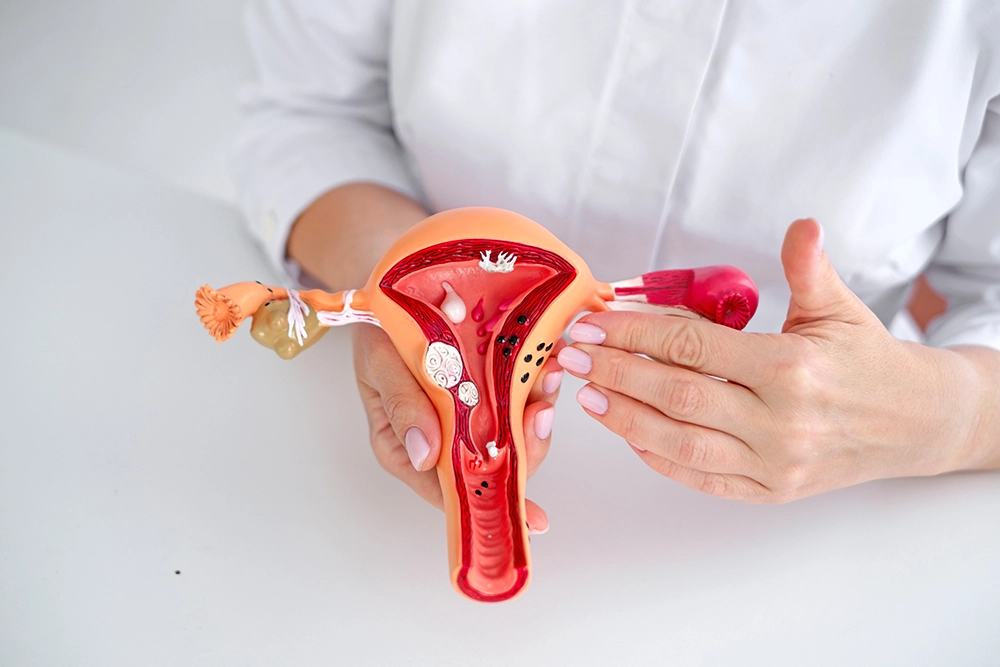
Fibroids, or uterine myomas, are non-cancerous growths that form in the uterine wall. These tumours can range in size from tiny seedlings to large masses that can disfigure the shape of the uterus. Fibroids may develop as a single growth or in clusters, and they can be located in different parts of the uterus:
Intramural fibroids
These are found within the muscular wall of the uterus and are the most common type.
Subserosal fibroids
Forming on the outer surface of the uterus, these fibroids can extend outward and may cause pressure on nearby organs.
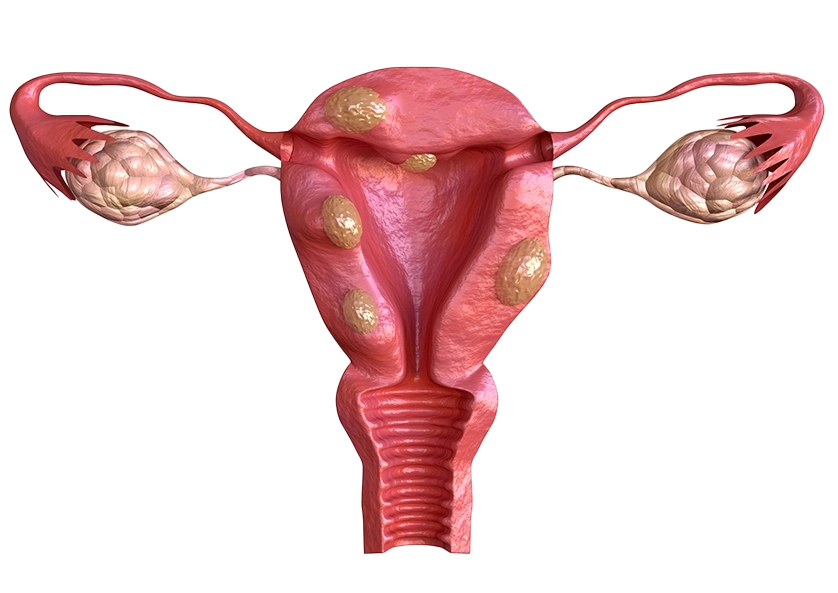
Submucosal fibroids
These grow just beneath the uterus' inner lining and can protrude into the uterine cavity, often leading to heavier menstrual bleeding.
Pedunculated fibroids
These fibroids are connected to the uterus by a stalk and can develop both inside and outside the uterus.
Symptoms of Fibroids
- Heavy Menstrual Bleeding: A frequent symptom which can lead to anaemia in some women.
- Prolonged Periods: Menstrual bleeding may last longer than normal.
- Pelvic Pain or Pressure: Women may experience discomfort or feeling fullness in the pelvic region.
- Frequent Urination: Large fibroids can pressure the bladder, causing increased urinary frequency.
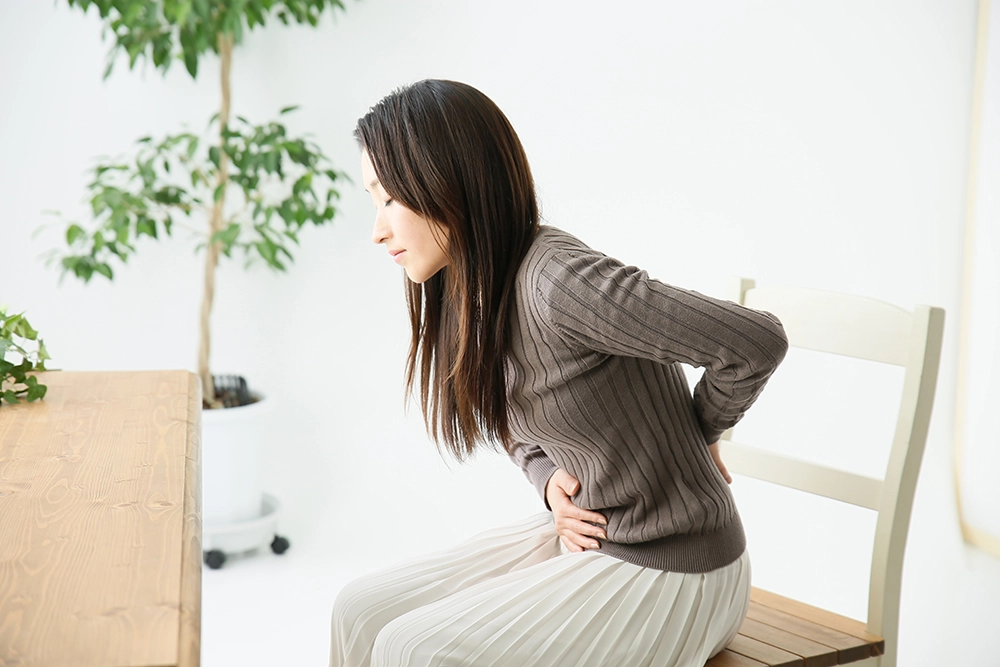
- Back Pain: Pressure from fibroids on the lower back can cause pain or discomfort.
- Pain During Intercourse: Some women may feel pain during intercourse due to the presence of fibroids.
Causes of Fibroids
Hormones
Oestrogen and progesterone are two hormones that stimulate the growth of the uterine lining. Fibroids often develop during a woman's reproductive years when hormone levels are highest.
Genetics
There may be a hereditary component, as fibroids tend to run in families. Women with a family history of fibroids are more likely to develop them.
Environmental Factors
Being exposed to certain environmental toxins and lifestyle habits, such as poor diet, may also play a role in fibroid development.
Understanding these potential causes can help women take preventive measures where possible. While fibroids cannot always be prevented, maintaining a healthy diet, managing stress, and limiting exposure to environmental toxins may help reduce risk factors.
Diagnosing Fibroids
If fibroids are suspected based on symptoms, a doctor may recommend several diagnostic tests to confirm their presence. Common methods of diagnosing fibroids include:
- Pelvic Exam: A doctor may perform a physical examination to check for irregularities in the uterus.
- Ultrasound: This imaging test employs sound waves to create a visual of the uterus and can help identify the size and location of fibroids.
- Magnetic Resonance Imaging (MRI): MRI scans provide detailed images of the uterus and can determine the size and position of fibroids and assess their impact on surrounding organs.
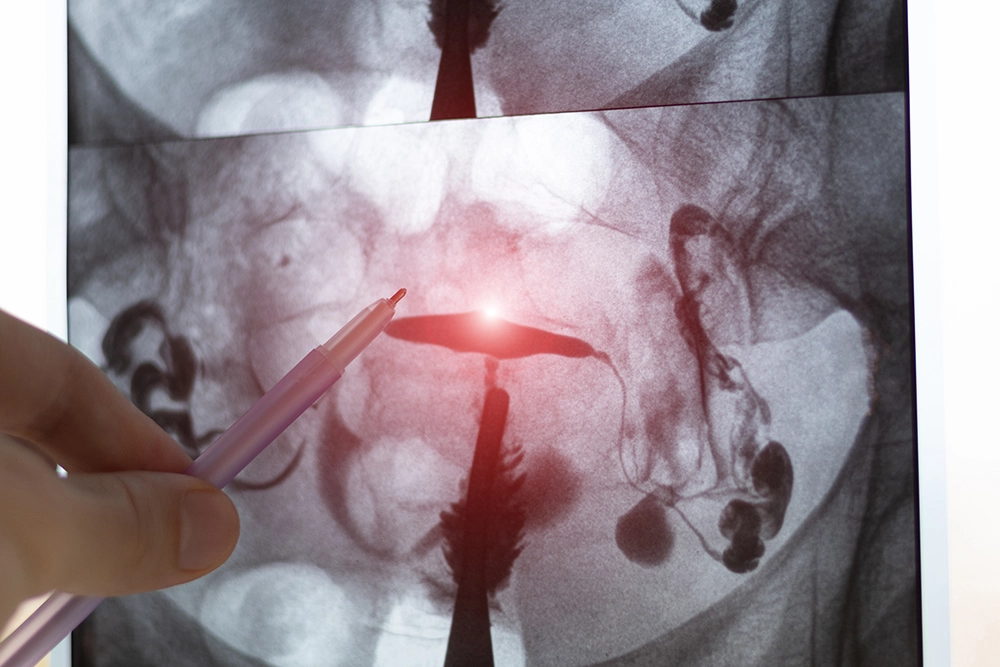
- Hysteroscopy: In this procedure, a thin, lighted tube is placed gently into the uterus through the vagina to visualise the uterine cavity and identify submucosal fibroids directly.
Fibroid Treatment Options
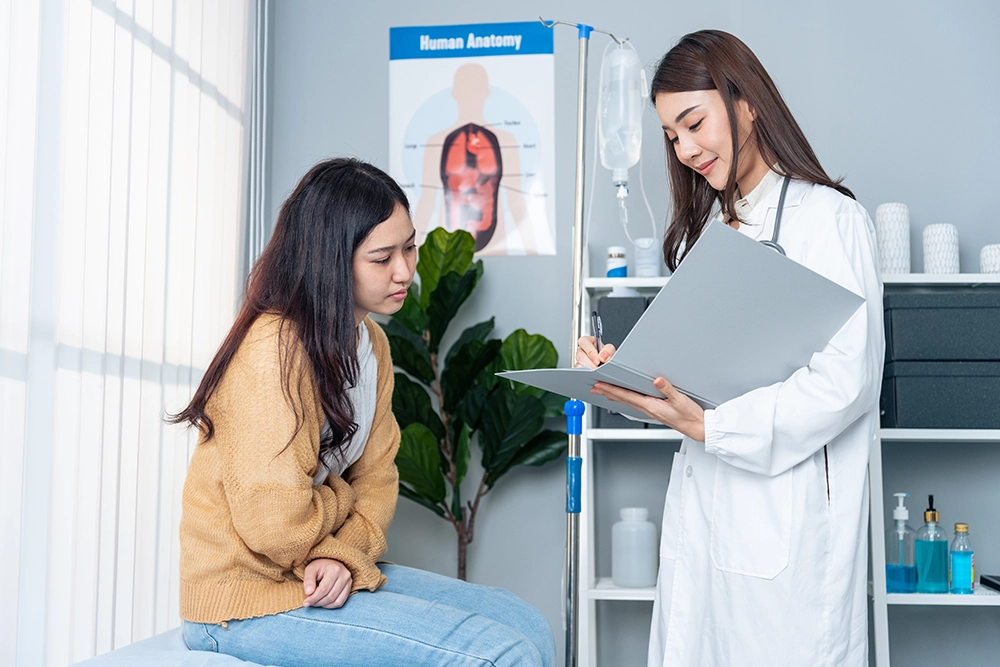
In treating fibroids, women have several options depending on the severity of their condition. The doctor will take the symptoms, the size of the fibroid and its position in the uterus into consideration before recommending an appropriate treatment.
Treatment can be categorised into non-surgical and surgical options.
Surgical
-
Myomectomy
Usually done as a minimally-invasive surgery, laparoscopic myomectomy removes fibroids while preserving the uterus, making it suitable for women who wish to preserve their fertility. Myomectomy can be performed via abdominal, laparoscopic, or hysteroscopic techniques depending on the size and location of the fibroids. -
Hysterectomy
A hysterectomy may be recommended in cases where fibroids cause severe symptoms and when other treatments have failed. This surgery is the total removal of the uterus to get rid of extensive fibroids. Open surgery hysterectomy may also be considered for large fibroids. -
Endometrial Ablation
This procedure ablates the lining of the uterus to reduce menstrual bleeding but is typically recommended for women who do not wish to become pregnant.
Non-Surgical
- Medications: Hormonal therapies, such as contraceptive pills or progestin-releasing intrauterine devices (IUDs), can help manage heavy menstrual bleeding and reduce other symptoms associated with fibroids. GnRH agonists can shrink fibroids temporarily but are not suitable for long-term use due to potential side effects.
- Uterine Artery Embolisation (UAE): This minimally invasive procedure involves injecting particles into the blood vessels supplying the fibroids, cutting off their blood supply and causing them to shrink.
- MRI-guided Focused Ultrasound: This non-invasive procedure uses ultrasound waves to target and destroy fibroid tissue while preserving healthy uterine tissue.
Post-Surgery and Recovery
Recovery Time and Downtime Expectations
Recovery times vary depending on the type of fibroid surgery performed. Minimally invasive procedures like laparoscopic myomectomy generally have shorter recovery periods—often 2 to 4 weeks—while hysterectomies may require 6 to 8 weeks or more. Your doctor will provide personalised guidance on when you can gradually resume daily activities and work.
Managing Pain and Postoperative Care
Pain management after uterine fibroid treatment may include medications and non-pharmacological methods such as heat therapy and gentle mobility exercises. As part of postoperative care, we will also monitor your wound’s healing and schedule follow-up visits to track your progress.
Monitoring for Recurrence and Long-Term Care
Fibroids can come back, especially in women who have had surgery to remove them while keeping the uterus intact.. We recommend regular follow-up appointments and imaging tests to detect any new growth early. Our fibroid specialist will also focus on long-term strategies, such as hormonal management and lifestyle adjustments, to reduce the risk of recurrence and maintain uterine health.
When To See a Doctor
- Heavy or prolonged menstrual bleeding
- Severe pelvic pain or pressure
- Symptoms affecting daily life, such as frequent urination or back pain
- Changes in menstrual cycles
- Difficulty becoming pregnant
Fibroid Treatment in Singapore
Understanding fibroids can empower women to seek the care they need and improve their quality of life. If you suspect you have fibroids or are experiencing any related symptoms, consider consulting a healthcare provider for an evaluation and personalised treatment plan.
At Pacific Healthcare Specialist Centre, we understand the challenges women face with fibroids. Our treatments and our patient-centred approach aim to help women regain control over their health and well-being.
MEET OUR DOCTOR
Dr. Nurhidayati Binte Mohamed Suphan
Consultant Obstetrician & Gynaecologist
MBBS (Singapore), MRCOG (UK), FAMS (Singapore)
FRCOG (UK), LLB (UK), MBA (UK)
Dr. Nurhidayati provides specialised care for high-risk pregnancies, offering close monitoring and personalised management to ensure the safest possible outcomes for both mother and baby. She manages a wide range of complex obstetric conditions, including gestational diabetes, hypertension in pregnancy, advanced maternal age, multiple pregnancies, previous caesarean sections, and other medical complications.
With extensive specialist training at the National University Hospital, she adopts an evidence-based and multidisciplinary approach when required, ensuring comprehensive maternal and fetal care throughout pregnancy.
Dr. Nurhidayati is committed to guiding mothers through high-risk pregnancies with clear communication, careful planning, and compassionate support at every stage.
Dr Nurhidayati co-founded the Muslim Healthcare Professionals Association in Singapore in 2004. Besides being the Vice President of the Muslim Healthcare Professionals Association in
Singapore, Dr. Nurhidayati is currently a board member for CaringSG and Casa Raudha. She has also been appointed in 2022, a member of the Islamic Religious Council of Singapore (MUIS) 19th Council and SGCares Steering Committee.

Frequently Asked Questions
Can fibroids affect fertility?
Can fibroids shrink on their own?
Do fibroids grow during pregnancy?
Can fibroids be cancerous?
Can fibroids cause complications during pregnancy?
What is the recovery like after open and minimally invasive fibroid surgery?
When is fibroid surgery necessary?
Surgery for fibroids is recommended if they cause severe symptoms such as heavy menstrual bleeding, pelvic pain, frequent urination, or fertility problems. The type of surgery depends on the size, number, and location of the fibroids, as well as your future pregnancy plans.
Depending on your reproductive goals, your gynaecologist may recommend uterine-sparing surgery such as myomectomy, or definitive surgery such as hysterectomy. Non-surgical treatments may also be available, so it’s best to discuss your options thoroughly.
